
Herb · Organic ingredient
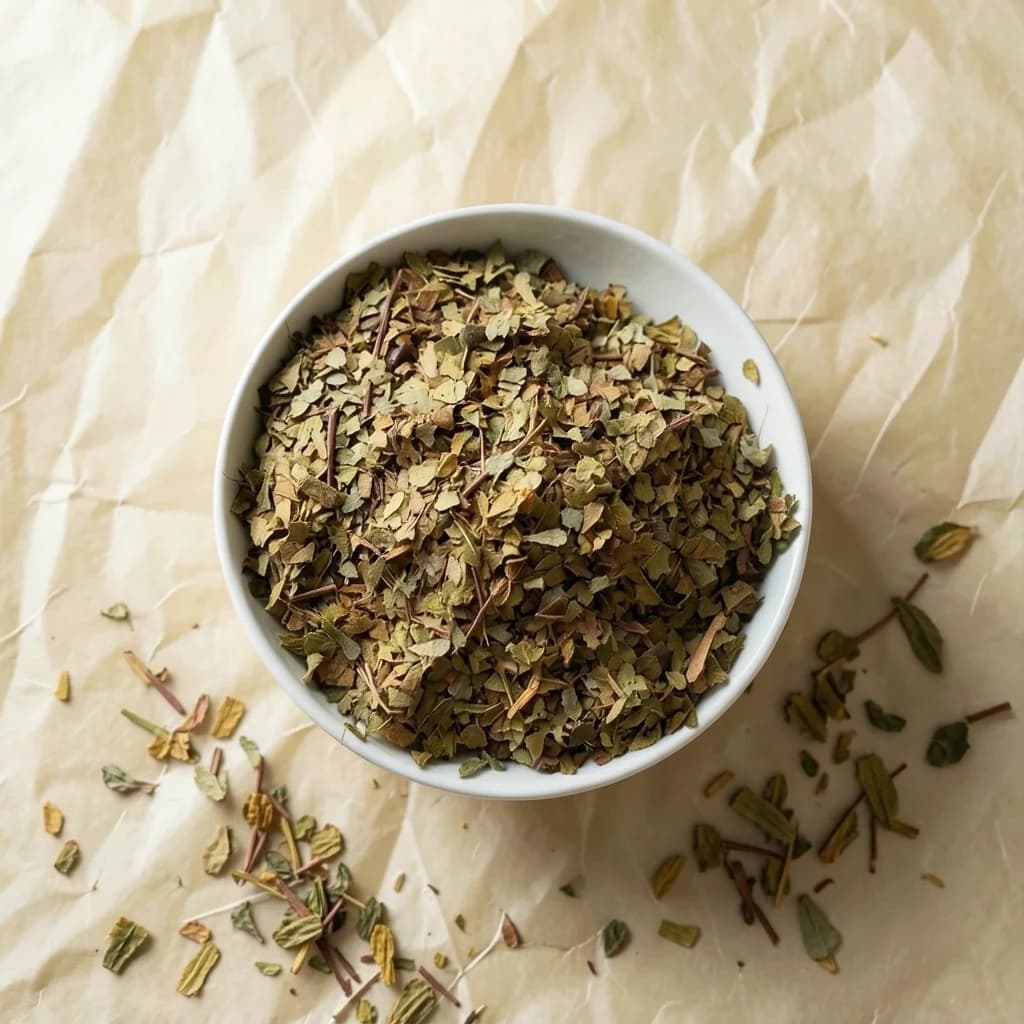
Lemon myrtle
Backhousia citriodora
Flat, broken leaves in olive, khaki and gold with an astonishingly strong lemon-sherbet scent. A little brings a creamy, lemon-lime brightness to green tea, rooibos and fruit blends, and it ices beautifully.
Blend with lemon myrtle →The benefits
Why we love lemon myrtle
Lemonier than lemon
Lemon myrtle's leaf oil is rich in citral, the aroma behind lemon peel and lemongrass, giving a bright, creamy lemon flavour.
Truly Australian
A native of Queensland's subtropical rainforests, it brings a taste of the Australian bush to any blend.
Lemon without the citrus
It's a myrtle, not a citrus tree, so it adds zest with no citrus fruit or peel, and no caffeine.
Good to know
No special cautions for most people in normal tea amounts.
Lemon myrtle grows wild in the subtropical rainforests of coastal Queensland. Aboriginal peoples have long known and used its fragrant leaves, and its botanical name honours the nineteenth-century English botanist James Backhouse. Since the 1990s it has been farmed as one of Australia's best-known native foods, flavouring teas, biscuits and syrups.
Found in these tales
Where lemon myrtle appears
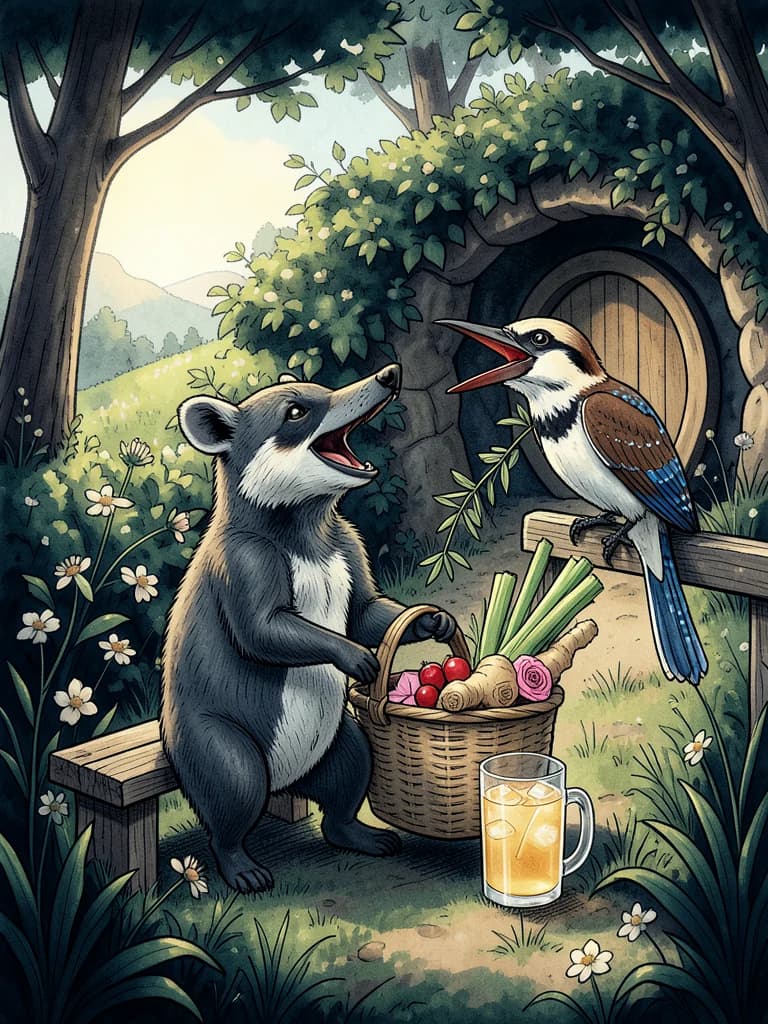 Chapter IITobias
The Summer Visitor
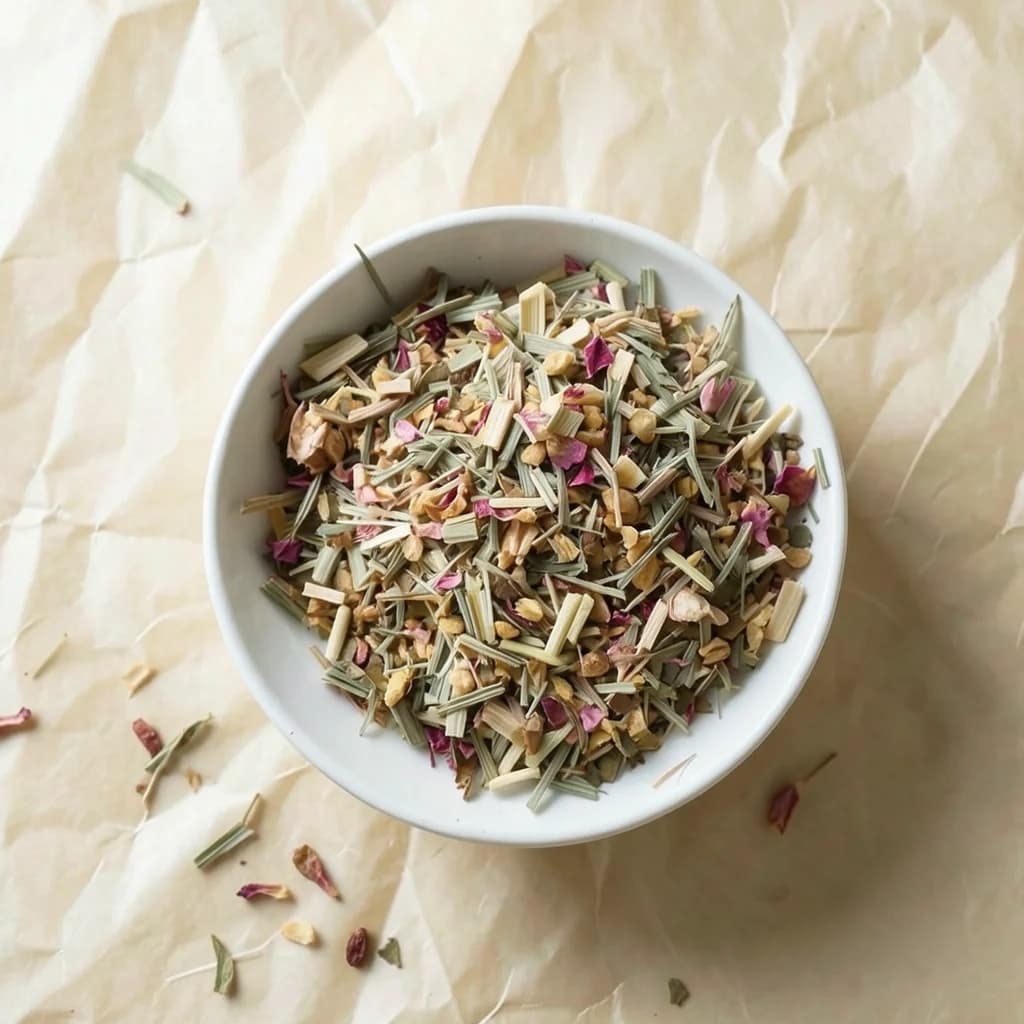
The Laughing Kookaburra
Lemongrass, ginger and native lemon myrtle, steaming or over ice
- Caffeine
- None
- Good for
- Digestion, Refresh
- Tastes
- Citrus, spicy
 from $12.95
 Chapter IIITobias
The Winter Hearth
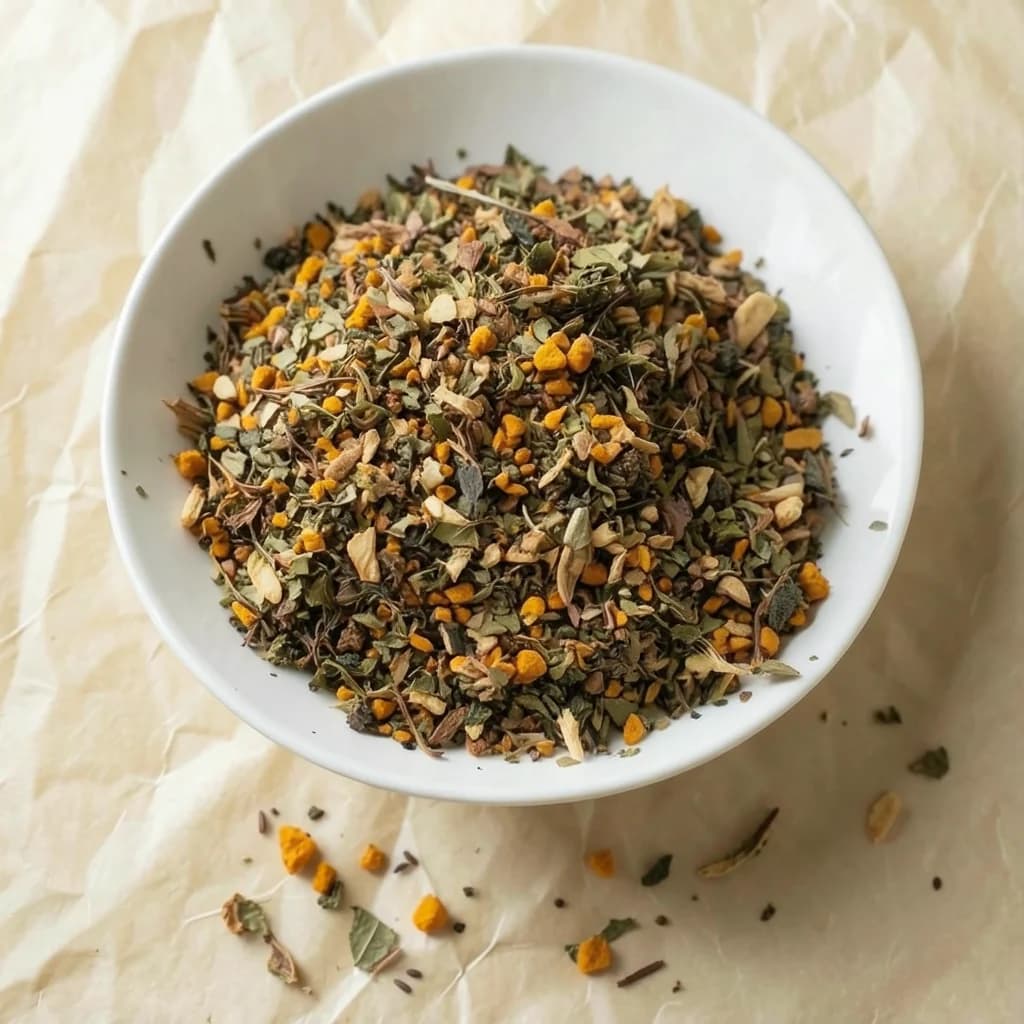
The Ember Forge
Turmeric, ginger and a spark of black pepper, hot from the coals
- Caffeine
- None
- Good for
- Comfort, Winter
- Tastes
- Spicy, earthy
 from $14.95